Winnipeg is one of Canada's most historically significant cities. Located at the meeting point of major trade routes and cultural influences, the city played important roles in Indigenous history, the fur trade, westward expansion, immigration, transportation, and the development of modern Canada. Today, visitors can discover this rich heritage through museums, historic buildings, national historic sites, and cultural landmarks that preserve the stories of generations who helped shape the nation.
This guide highlights nine places to explore Canadian history in Winnipeg, each offering unique insights into different chapters of Manitoba and Canadian history.
1. Canadian Museum for Human Rights
The Canadian Museum for Human Rights is one of the country's most important cultural institutions. Through interactive exhibits and thought-provoking displays, visitors learn about human rights stories from Canada and around the world.
2. The Forks National Historic Site
The Forks has been a gathering place for thousands of years. Today it combines history, culture, shopping, dining, and public spaces while preserving its significance as a historic meeting point.
3. Manitoba Museum
The Manitoba Museum explores the natural and human history of the province through immersive exhibits, artifacts, and educational displays.
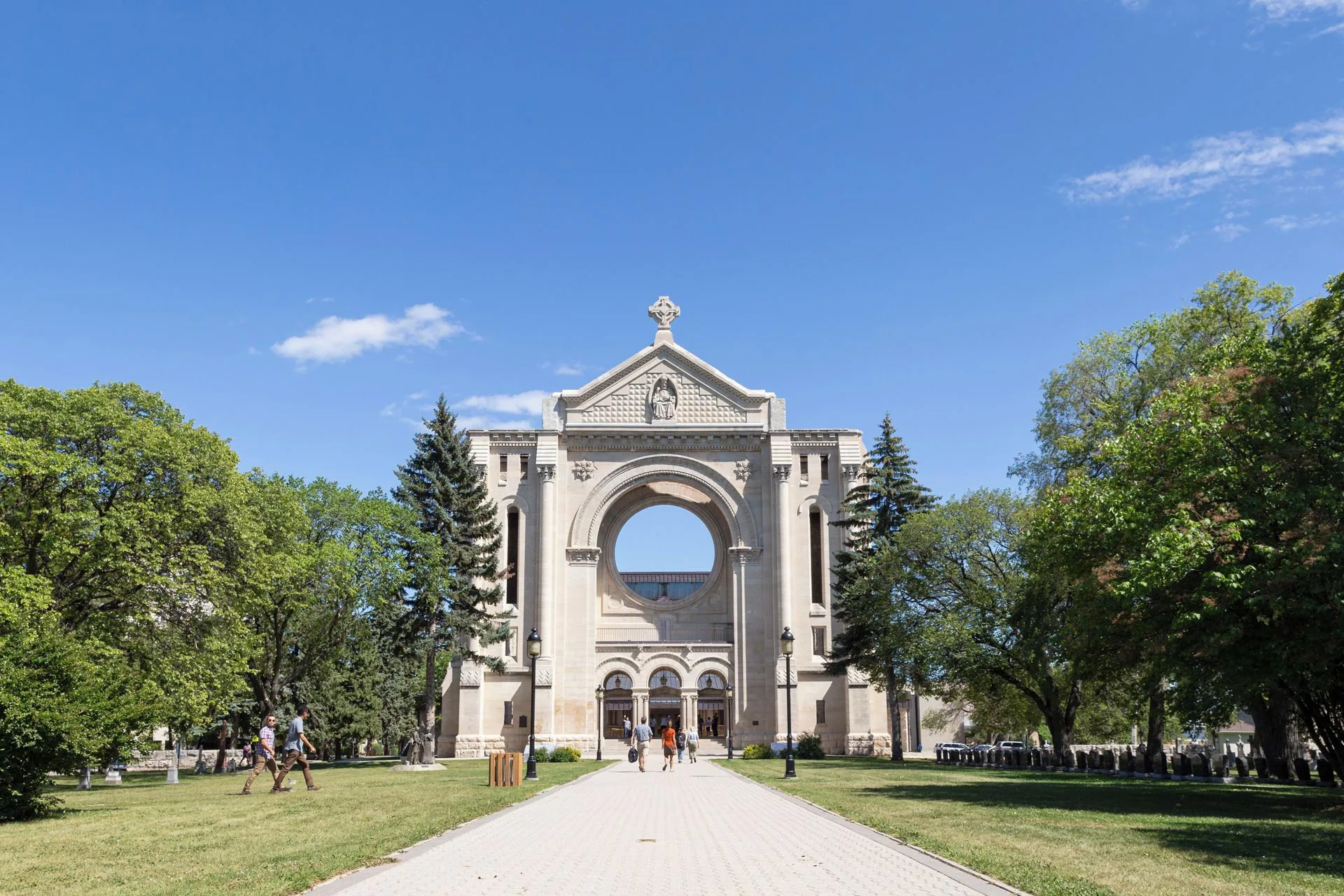
4. St. Boniface Cathedral
This landmark reflects the French and Métis heritage of Manitoba and remains one of Winnipeg's most recognizable historic sites.
5. Lower Fort Garry National Historic Site
One of Canada's best-preserved fur trade forts, Lower Fort Garry provides insight into commerce, settlement, and treaty history.
6. Seven Oaks House Museum
This historic house helps visitors understand early settlement patterns and life in nineteenth-century Manitoba.
7. Union Station
Union Station symbolizes the importance of rail transportation in connecting communities and supporting Canada's growth.
8. Dalnavert Museum
Dalnavert offers a glimpse into Victorian Winnipeg through carefully restored interiors and historical interpretation.
9. Manitoba Legislative Building
This architectural landmark showcases provincial history, political traditions, and impressive design.
Why Winnipeg Matters in Canadian History
Winnipeg's location made it a crossroads of cultures, transportation routes, commerce, and settlement. The city's history reflects broader national stories involving Indigenous peoples, immigration, infrastructure development, and political change.
Related reading: 7 Hidden Gems in Winnipeg, 11 Food Experiences in Winnipeg, 13 Wildlife Experiences in Churchill Manitoba, and 9 Museums You Must Visit in Ottawa.
Planning a Historical Tour of Winnipeg
Many of Winnipeg's historic attractions are located close to one another, making it easy to create a self-guided itinerary. Visitors can combine museums, walking tours, cultural neighborhoods, and historic landmarks into a multi-day exploration.
Architecture and Heritage
Historic buildings throughout Winnipeg illustrate different periods of growth and development. From heritage churches and government buildings to railway infrastructure and museums, architecture plays a key role in understanding local history.
Travel Tips
- Allow at least two days to explore major historic sites.
- Visit museums early to maximize your time.
- Consider guided walking tours.
- Explore the St. Boniface district.
- Combine historical attractions with cultural experiences.
Frequently Asked Questions
What is Winnipeg most famous for historically?
Winnipeg is known for The Forks, Métis heritage, transportation history, and its role in Western Canada's development.
How many days should I spend exploring historic attractions?
Two to three days is ideal for most visitors.
Is Winnipeg good for history enthusiasts?
Yes. The city offers museums, historic sites, architecture, and cultural landmarks connected to national history.
Which attraction is best for families?
The Manitoba Museum and The Forks are especially popular with families.
When is the best time to visit?
Historical attractions can be enjoyed year-round.