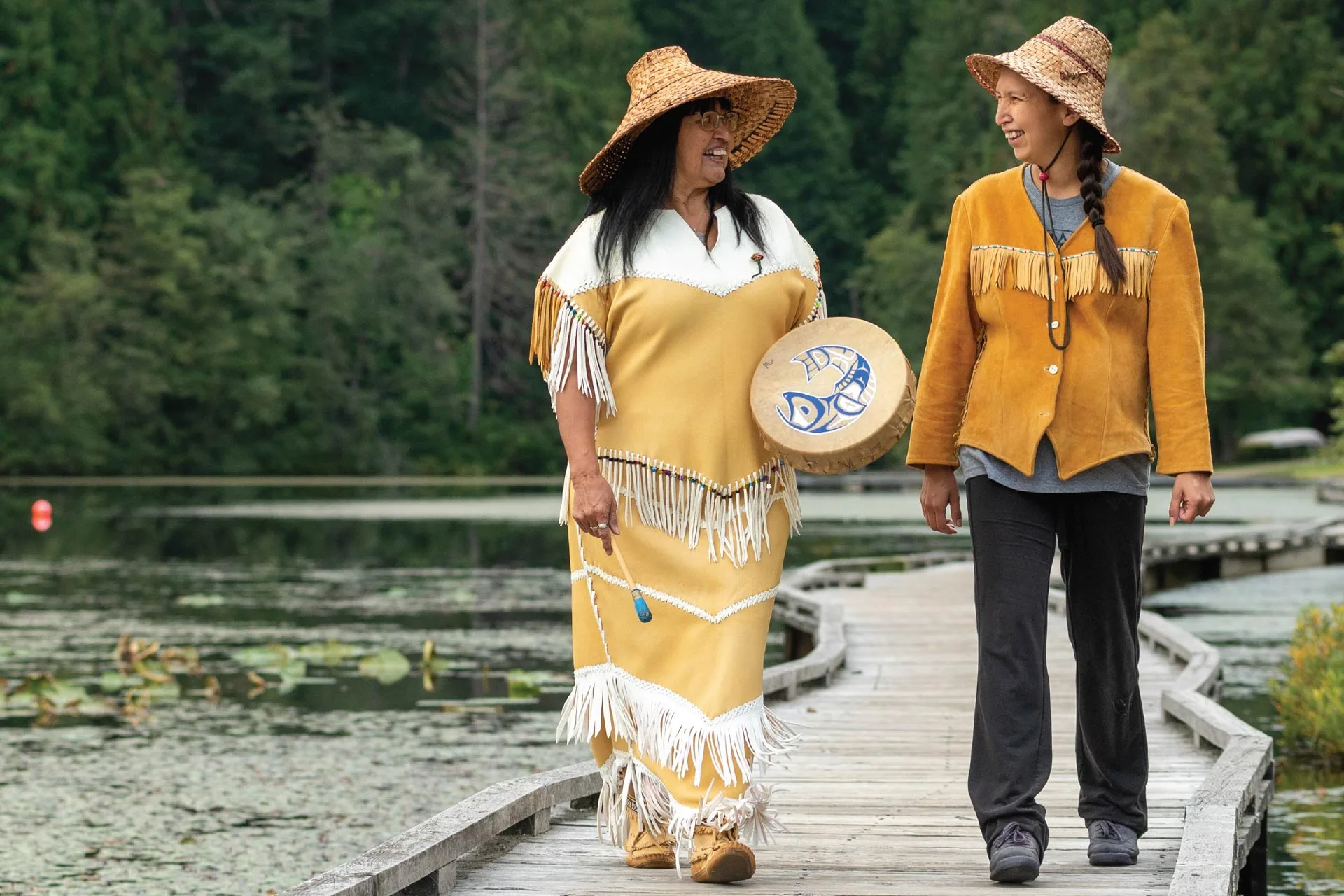
British Columbia is home to diverse Indigenous communities whose histories, knowledge systems, artistic traditions, and cultural practices have shaped the region for thousands of years. Travelers seeking a deeper understanding of Canada can discover Indigenous cultural experiences throughout the province, from world-class museums and heritage centres to interpretive programs, cultural villages, and artistic landmarks.
This guide highlights seven Indigenous cultural experiences in British Columbia that provide meaningful opportunities to learn about local cultures, history, art, language, storytelling, and connections to the land.
1. UBC Museum of Anthropology
Located in Vancouver, the Museum of Anthropology is one of Canada's most important institutions for Indigenous art and cultural heritage. Visitors can view monumental carvings, house posts, masks, sculptures, and cultural exhibits representing communities across the Pacific Northwest Coast.
The museum offers valuable context about artistic traditions, cultural knowledge, and contemporary Indigenous creativity.
2. Squamish Lil'wat Cultural Centre
Situated in Whistler, this cultural centre celebrates the cultures of the Squamish and Lil'wat Nations. Guided tours, storytelling, art displays, traditional crafts, and educational programs provide visitors with immersive cultural experiences.
The centre creates opportunities to learn directly from Indigenous perspectives while exploring the cultural significance of the surrounding landscape.
3. Haida Heritage Centre
Located in Haida Gwaii, the Haida Heritage Centre presents the history, culture, and artistic achievements of the Haida Nation. Visitors can explore exhibits, replica longhouses, totem poles, and cultural programs while gaining insight into one of Canada's most recognized Indigenous cultures.
The spectacular setting along the coast further enhances the visitor experience.
4. Bill Reid Gallery of Northwest Coast Art
This gallery celebrates the work of renowned Haida artist Bill Reid and showcases Indigenous art from across the Northwest Coast. Exhibits highlight traditional and contemporary artistic expression while emphasizing the importance of cultural continuity.
Visitors interested in art and design often consider this a must-see Vancouver attraction.
5. Nisga'a Museum
The Nisga'a Museum preserves and presents the history of the Nisga'a Nation through exhibits, artifacts, oral histories, and educational resources. Visitors learn about community traditions, governance, language, and relationships with the land.
The museum provides an important perspective on Indigenous resilience and cultural preservation.
6. Klahowya Village Cultural Experiences
Seasonal programs and cultural events introduce visitors to Indigenous storytelling, traditional foods, art, music, and dance. These experiences help travelers engage with living cultures rather than viewing Indigenous history solely through a historical lens.
Interactive programming appeals to visitors of all ages.
7. Alert Bay and U'mista Cultural Centre
Alert Bay is one of the most significant Indigenous cultural destinations in British Columbia. The U'mista Cultural Centre preserves ceremonial regalia and presents exhibits about Kwakwaka'wakw culture, traditions, and history.
Visitors can explore the community while learning about cultural revitalization and heritage preservation.
Why Indigenous Cultural Tourism Matters
Indigenous tourism creates opportunities for respectful learning, cultural exchange, and support for local communities. These experiences help visitors understand the depth and diversity of Indigenous cultures while recognizing their continuing importance within contemporary Canada.
Related reading: Indigenous Art in Vancouver, 13 Amazing Experiences in Vancouver, and 11 Cultural Attractions in Montreal.
Planning an Indigenous Cultural Journey
Travelers can combine multiple destinations into a broader cultural itinerary. Vancouver provides access to museums and galleries, while Vancouver Island and Haida Gwaii offer deeper experiences connected to communities, landscapes, and heritage sites.
Many organizations offer guided programs that help visitors understand cultural protocols and historical context.
Art, Storytelling, and Language
Across British Columbia, artistic traditions remain central to cultural expression. Totem poles, carving, weaving, painting, music, dance, and oral traditions continue to play important roles within communities. Cultural centres often incorporate these elements into visitor experiences.
Travel Tips
- Respect cultural protocols and visitor guidelines.
- Participate in guided experiences when available.
- Support Indigenous-owned businesses and artists.
- Allow sufficient time for museum and heritage visits.
- Approach experiences with curiosity and respect.
Frequently Asked Questions
What is Indigenous cultural tourism?
It includes travel experiences that help visitors learn about Indigenous cultures, histories, traditions, and contemporary communities.
Are these experiences suitable for families?
Yes. Most cultural centres and museums offer family-friendly educational programs.
Which destination is best for Indigenous art?
The Museum of Anthropology and Bill Reid Gallery are outstanding options.
Can visitors learn from Indigenous guides?
Many cultural tourism programs include Indigenous-led interpretation and storytelling.
What other British Columbia destinations should I explore?
Consider Vancouver, Victoria, Pacific Rim National Park, Whistler, and Haida Gwaii.