Newfoundland and Labrador is one of Canada's most fascinating historical destinations. As the site of some of the earliest European exploration and settlement in North America, the province preserves remarkable landmarks that tell stories of Indigenous cultures, transatlantic voyages, fishing traditions, military history, and colonial development. From UNESCO World Heritage Sites to dramatic coastal fortifications, Newfoundland offers visitors an opportunity to walk through centuries of history.
This guide highlights seven historic sites in Newfoundland that deserve a place on every travel itinerary. These destinations showcase the rich heritage, cultural identity, and historical significance of Canada's easternmost province.
1. L'Anse aux Meadows National Historic Site
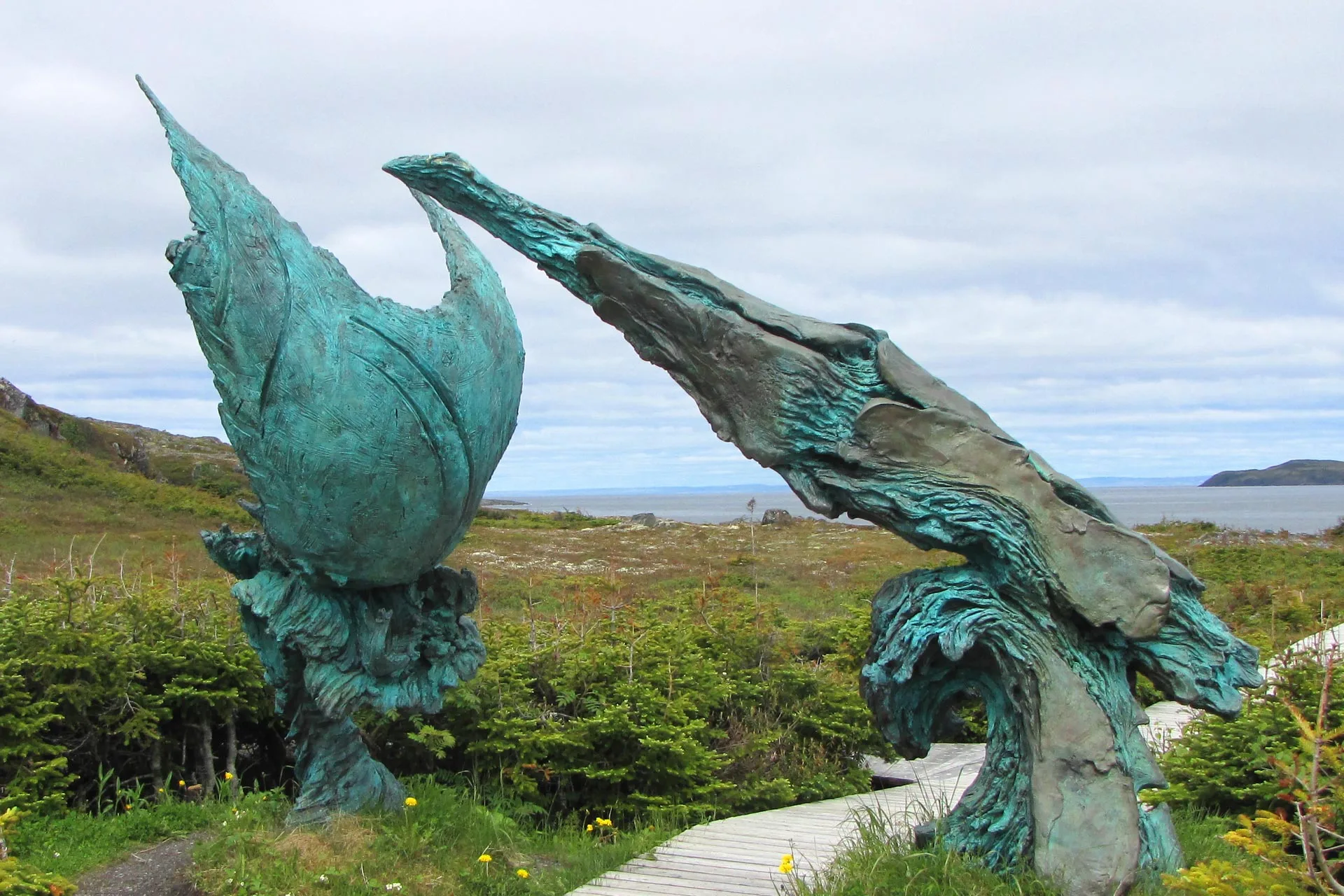
L'Anse aux Meadows is one of the most important archaeological sites in North America. Recognized as a UNESCO World Heritage Site, it preserves evidence of a Norse settlement dating back more than a thousand years. Visitors can explore reconstructed buildings, learn about Viking exploration, and discover stories that changed the understanding of early transatlantic travel.
2. Signal Hill National Historic Site
Signal Hill overlooks St. John's Harbour and played a vital role in military defense and communications. The site is famous for Cabot Tower and its connection to the first transatlantic wireless signal received by Guglielmo Marconi in 1901. Walking trails, coastal views, and interpretive exhibits make it one of Newfoundland's premier attractions.
3. Cape Spear Lighthouse National Historic Site
Located at the easternmost point in North America accessible by road, Cape Spear features a historic lighthouse and dramatic coastal scenery. Visitors can explore military batteries, walking paths, and scenic viewpoints while learning about maritime navigation and coastal life.
4. Castle Hill National Historic Site
Situated near Placentia, Castle Hill preserves fortifications connected to French and British colonial history. The site offers panoramic views, historical interpretation, and insight into the geopolitical importance of Newfoundland during the colonial era.
5. The Rooms
The Rooms serves as Newfoundland and Labrador's largest cultural institution, bringing together a museum, archives, and art gallery. Visitors can explore exhibits covering Indigenous cultures, immigration, fishing heritage, military history, and artistic traditions.
6. Red Bay National Historic Site
Red Bay preserves the remains of a sixteenth-century Basque whaling station and is recognized as a UNESCO World Heritage Site. The site provides valuable insight into early European economic activity in the North Atlantic.
7. Colonial Building
The Colonial Building in St. John's was the seat of government for Newfoundland before Confederation. Today, it serves as a heritage site where visitors can learn about politics, self-government, and Newfoundland's path into Canada.
Why Newfoundland's History Is Unique
Newfoundland's location on the Atlantic Ocean placed it at the crossroads of exploration, fisheries, migration, and international trade. The province's history reflects Indigenous traditions, European settlement, maritime industries, and cultural resilience.
Exploring Newfoundland's Heritage
Many of the province's historic sites are connected by scenic coastal routes. Travelers can combine historical attractions with whale watching, iceberg viewing, hiking, photography, and cultural experiences.
Architecture and Preservation
Historic churches, fortifications, government buildings, fishing communities, and heritage districts help tell the story of Newfoundland's development. Preservation efforts continue to protect these landmarks for future generations.
Travel Tips
- Allow multiple days to explore heritage sites across the province.
- Bring weather-appropriate clothing for changing coastal conditions.
- Visit museums and interpretation centres for historical context.
- Combine historical attractions with outdoor adventures.
- Book accommodations early during peak travel season.
Frequently Asked Questions
What is Newfoundland's most famous historic site?
L'Anse aux Meadows is widely considered the province's most internationally recognized heritage site.
How many days should I spend exploring Newfoundland history?
A week or more allows travelers to experience multiple regions and historic landmarks.
Is Newfoundland good for history lovers?
Yes. The province contains some of Canada's most important archaeological and historical sites.
When is the best time to visit?
Late spring through early autumn offers the best weather and visitor access.
Are these sites family friendly?
Most historic sites provide educational exhibits and experiences suitable for visitors of all ages.